


“It was too much to handle”: What happens when remote travel goes wrong
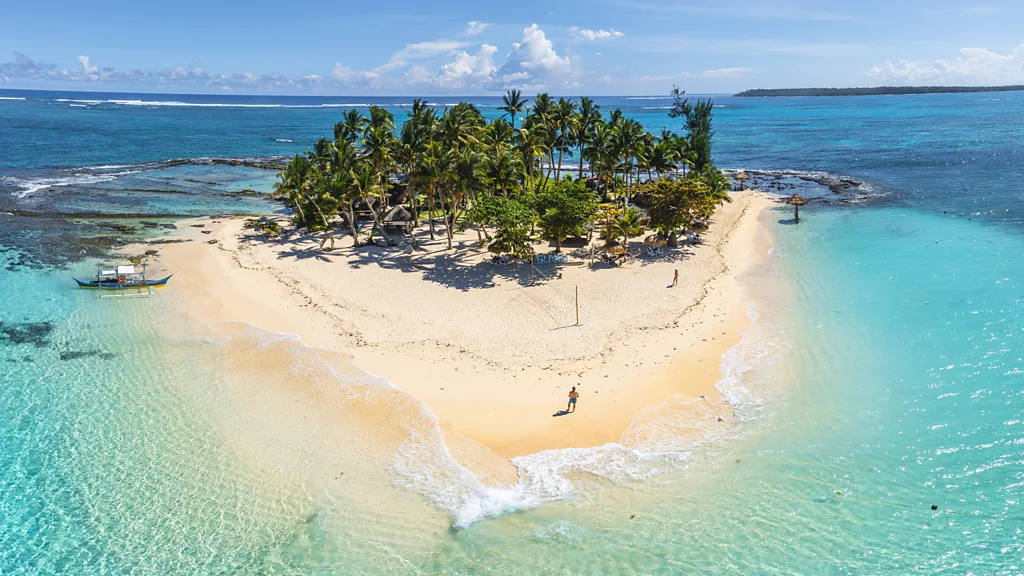
Experts suggest this discomfort reflects how accustomed many people have become to highly controlled, urban environments. Environmental psychologist Dr Sonja Haustein explains that travellers often imagine an “ideal holiday self” that does not match who they really are, while others may be motivated by status or identity rather than genuine enjoyment of remoteness. Travel advisors argue that better preparation and honest self‑reflection can prevent disappointment. Despite the challenges, specialists maintain that immersive experiences in nature can still offer powerful benefits, including resilience, perspective and wellbeing — if travellers are truly ready for them.
KEY VOCABULARY
A1 – A2 (Beginner)
Travel
Island
Noise
Nature
Holiday
B1 – B2 (Intermediate)
Remote
Discomfort
Experience
Environment
Expectations
C1 – C2 (Advanced)
Immersion
Resilience,
Biophilic
Adversity,
Contemplation
WHAT DO YOU THINK?
Why do you think many travellers idealise remote travel but struggle when they experience it in reality?
How can travellers better prepare themselves — mentally and practically — for off‑grid or nature‑based holidays?

05 de Mayo
Revisa el artículo original: Haz clic aquí